


Rather, you think or structure yourself as an organization, cooperative, or social enterprise; knowing how to use collateral such as logos, branding, and graphics can help you get the most bang for your buck. The last thing you want to do is waste community funds when they could be used for food, clothing, housing, or other resources. If you want to increase attendance and participation, you need to have a structured and efficient plan in place. By investing in a great logo and strategy, you can establish a consistent brand identity that will attract more participants and supporters to your cause.
So here are seven things you should consider when investing in outreach.
1. Establish Your Logo
Use your logo consistently across all promotional materials to create a recognizable identity. Apply it to flyers, social media posts, and emails to establish a strong, cohesive look that catches attention and builds familiarity. Collaborate and use your logo. The smaller, the better. It doesn’t have to be obvious or in people’s faces.
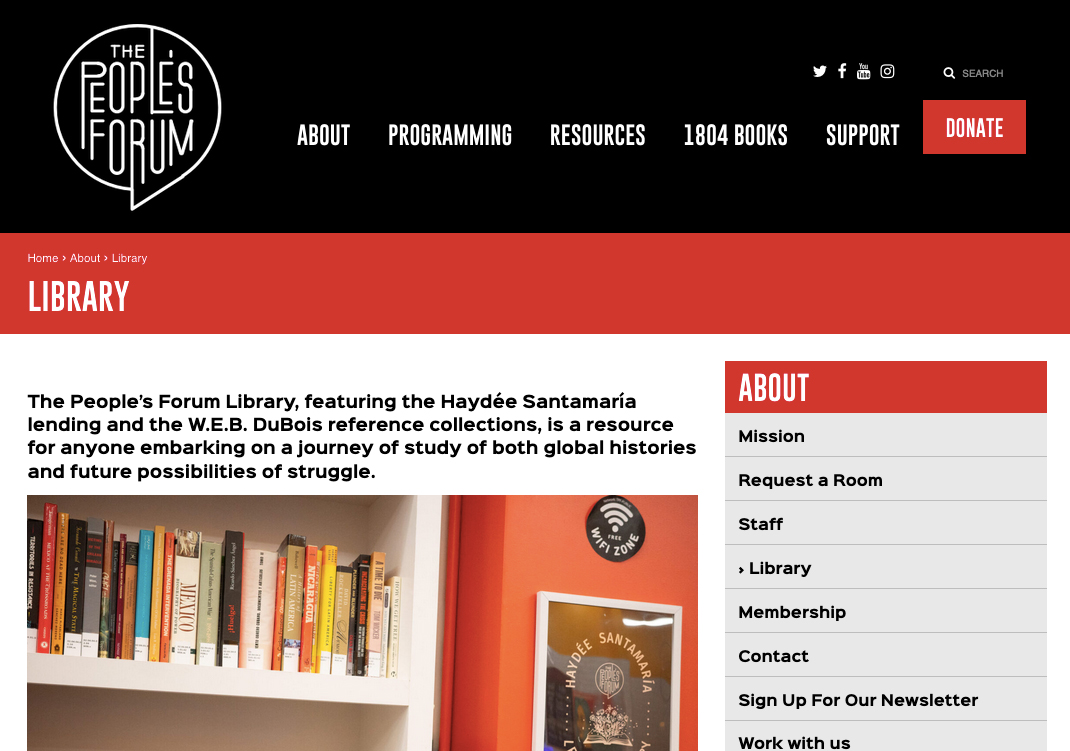
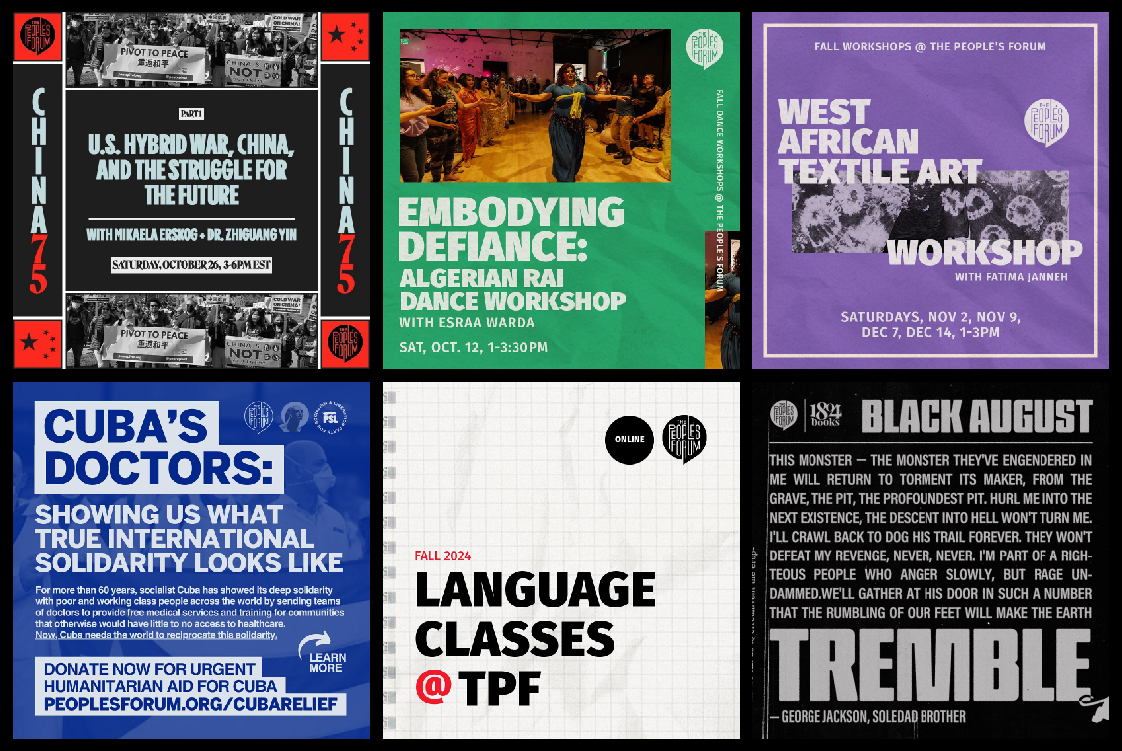
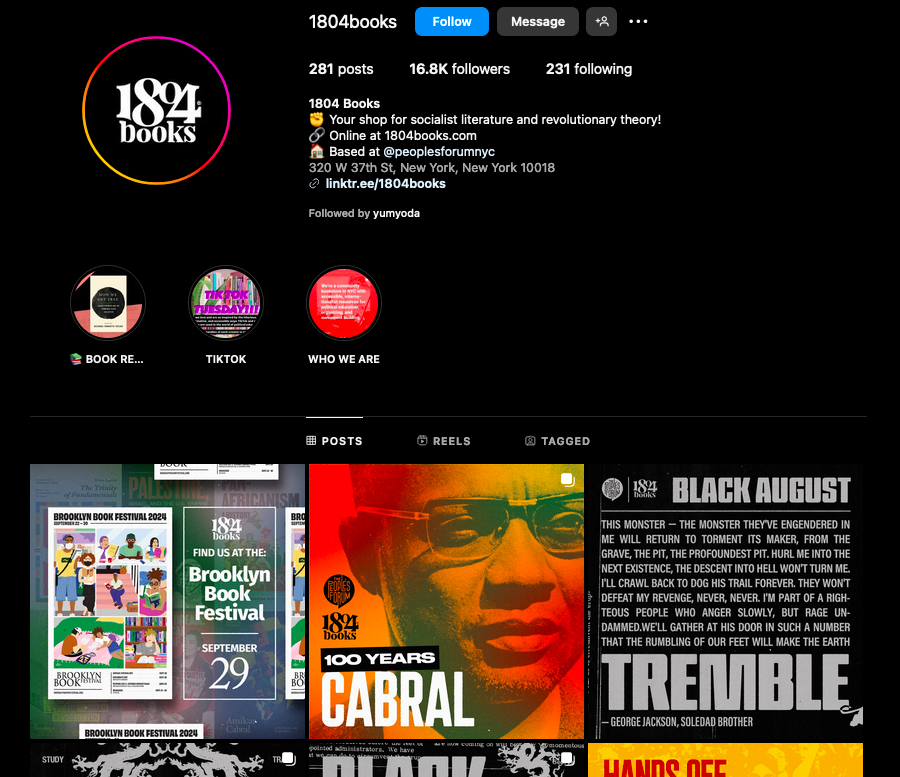
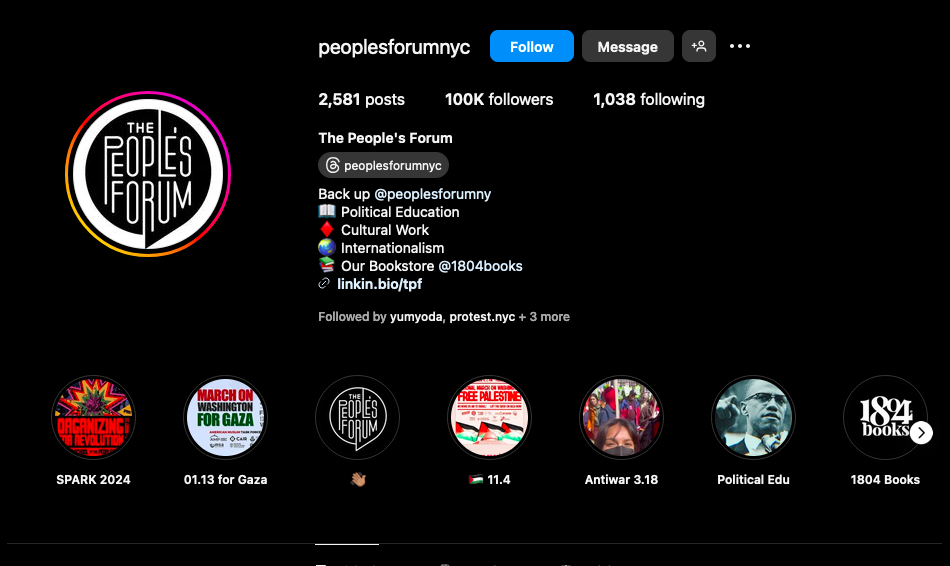
Let’s look at The People’s Forum as an example—they exemplify brand strategy within social conscience movements. Even when the logo is small or subtle, a well-designed logo will still make a strong statement. Absorb the creative eye, but also, don’t let this disrupt the chemistry between you and the creative your outsourcing to,
2. Unify Event Details
Incorporate not only your logo but also a consistent style and layout in all outreach materials. Clearly outline the event’s purpose, date, time, and location, helping your community to quickly identify key information while reinforcing the event’s unique identity. And this can be for showcasing products, hosting teach-ins, or collaborating with others.
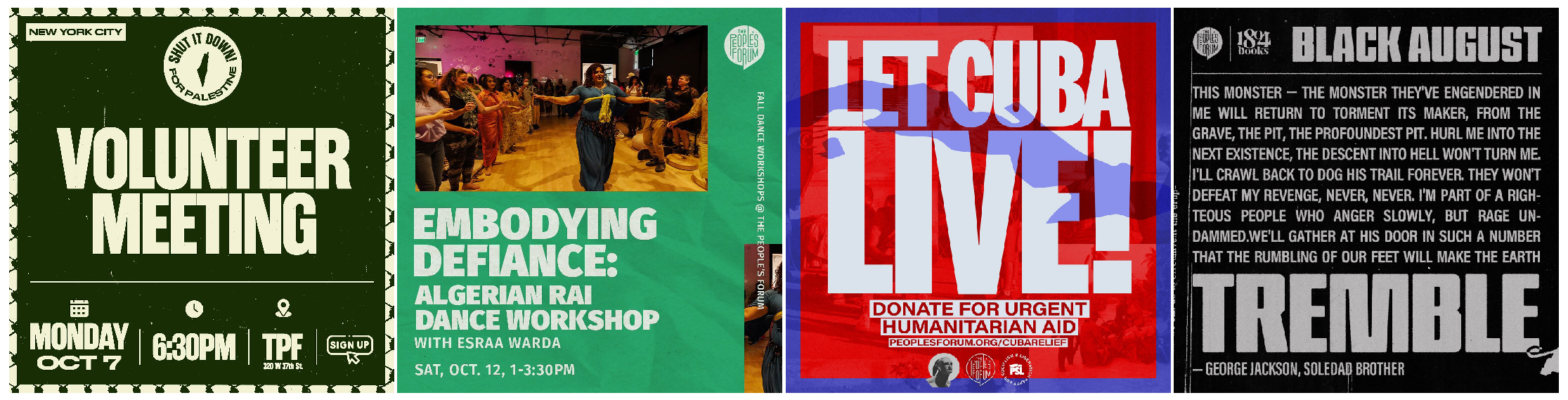
If you follow The People’s Forum on Instagram, you’ll notice their consistent use of big, bold letters with a cyberpunk/Akira aesthetic. When the font isn’t a bold sans-serif, they switch to a bold, funky serif that still captures that same cyber-dystopian or flower-power vibe.
3. Engage Social Media
Set up a dedicated event or project page with your logo and a unified theme. Even if you’re not hosting regular events, use this page to share project updates, new initiatives, or resources related to your work. This allows supporters to stay informed and share updates directly with others, which increases interest and helps spread the word, while also creating a personal space for members dedicated to your initiative.
4. Distribute Flyers and Posters
Print a batch of flyers or posters to expand the reach of your existing designs. Distribute them strategically in local coffee shops, radical bookstores, co-ops, and community centers that align with your audience. These spots increase exposure to your target attendees and leave a lasting impression. However, do not leave behind prints that will expire; you want to strategically notify the community to engage in your services even after the date of, say, a march or a product drop.
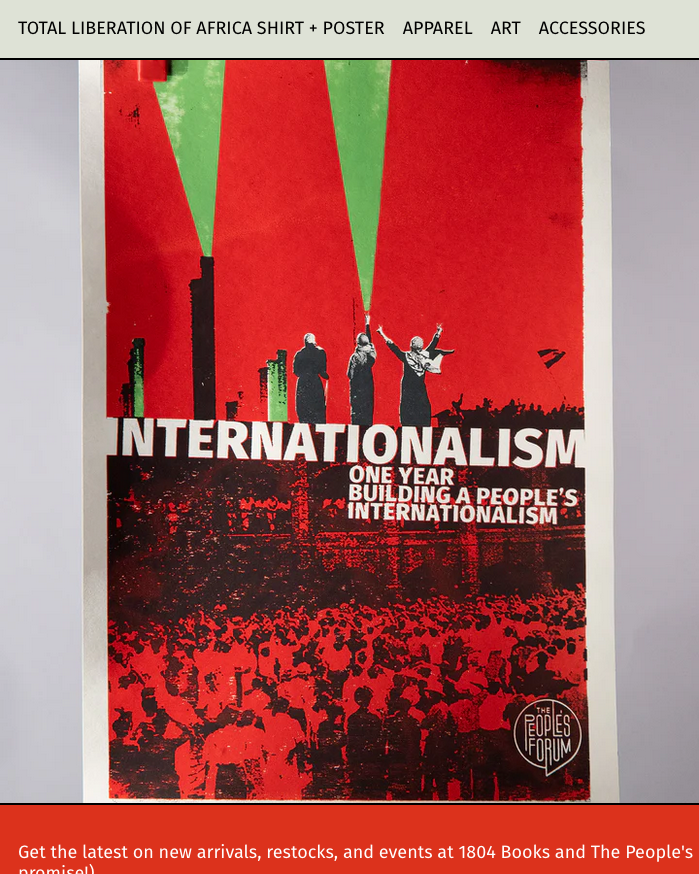

You can sell posters, as The People’s Forum does through their 1804 Bookstore, to generate revenue and share impactful messages. At the same time, distributing flyers at key locations can build awareness, signaling upcoming actions and priming the community in a culture of showing up and rising up.
5. Utilize Email Signatures
It may seem obvious, but it’s worth emphasizing: include your organization in email signatures. When staff, members, or volunteers email their networks, elements like logos or domain-specific emails reinforce your commitment to the initiative and encourage recognition and engagement.
6. Invest in a Newsletter
Provide a way for people to subscribe to your newsletter. This platform not only promotes event updates, but it also engages followers with your organization’s larger context, resulting in a consistent, engaged audience for future events and the offering of necessary resources.
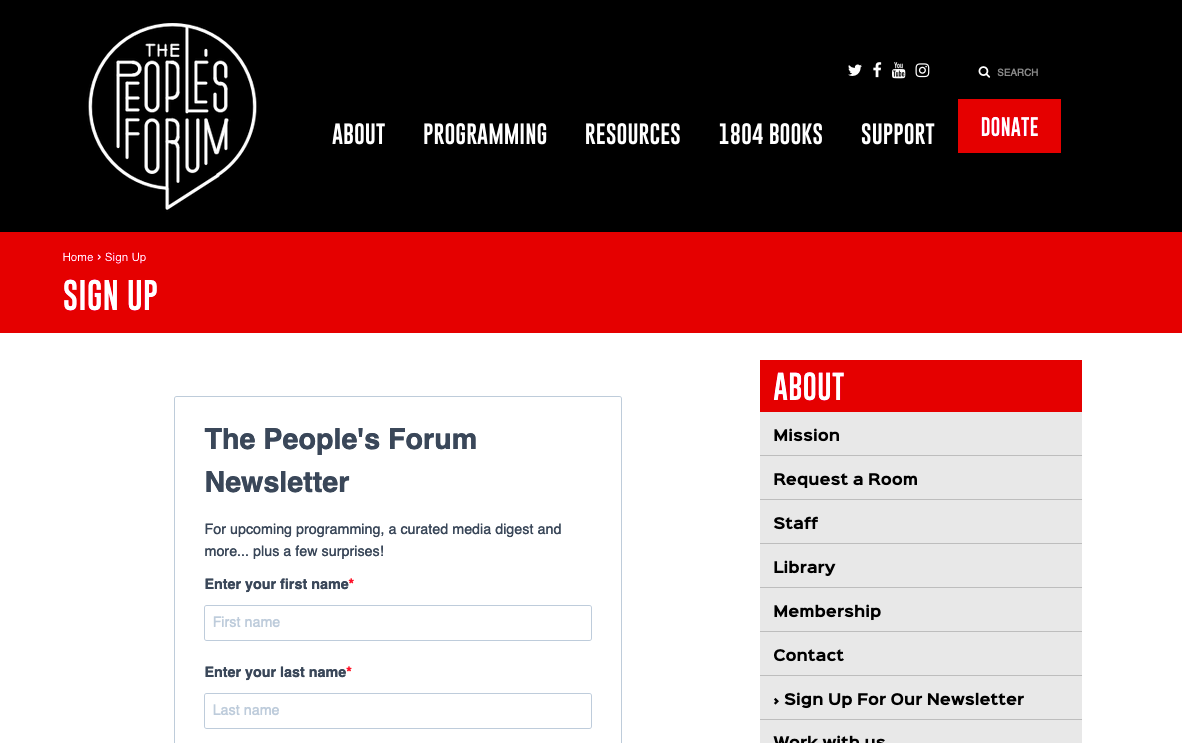
We highly recommend using opensource and anti-surveillance technology for your newsletters and capturing information. It is a bit of a headache, but we got Mautic working on our end, and we’re still discovering how to utilize and expand that tech. Feel free to inquire.
In a world where capitalism, fresh startups, and daily obligations are constantly bombarding people, these simple strategies can help you stand out. Rather than competing with these forces, position yourself to flow with them—building a system you can trust and, if needed, welcome new organizations into. This demonstrates the depth of your commitment to collaboration and community. Think of it as “adulting” for your organization.